

What Happens to the Enquiry That Arrives After You Have Gone Home
Somebody filled in your contact form at twenty past seven last night. Where is it now?
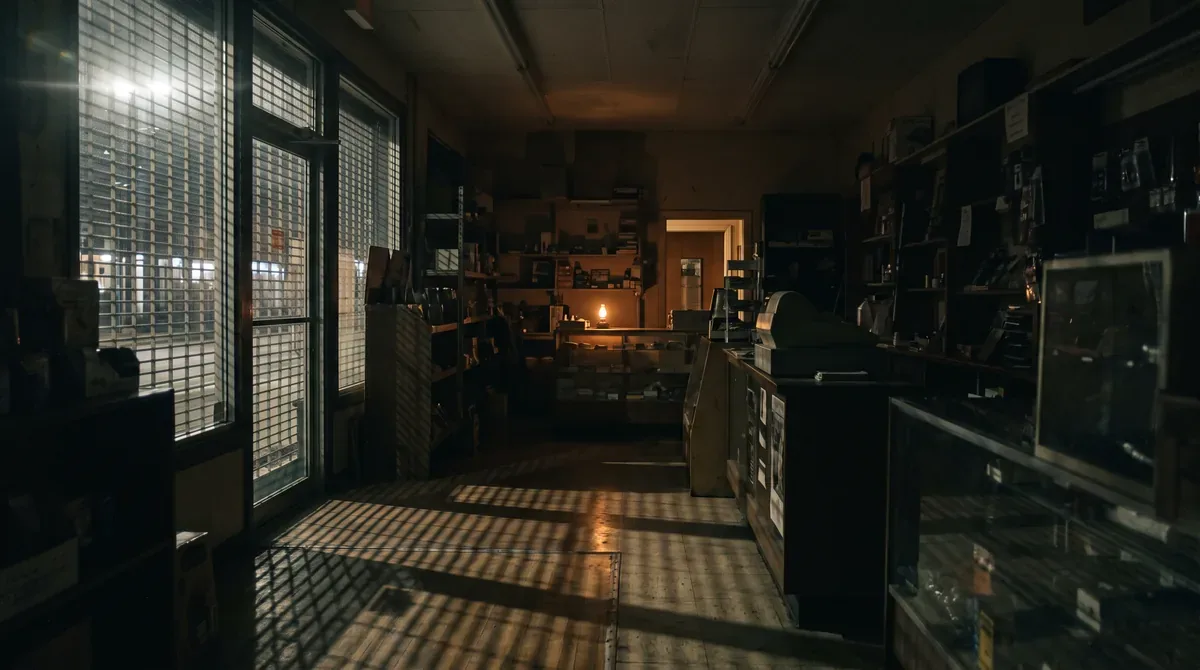
For a lot of small businesses the honest answer is that it is in an inbox, unread, behind forty other things, possibly in a spam folder, possibly going to an address that belongs to whoever built the site in 2019 and has not worked there since.
Start by checking the form still works
Fill it in yourself, from your own phone, on mobile data not the office wifi, using a name you will recognise. Then see how long it takes to arrive and where it lands.
Do it monthly. A form that has quietly stopped delivering looks exactly like a quiet month, and businesses have gone a full quarter blaming the economy for a broken mail setting.
Silence reads as closed
A person who sends an enquiry and hears nothing does not conclude that you are busy. They conclude that nothing happened, and they move to the next name on the list, usually within the hour.
An automatic acknowledgement is not a reply, but it buys you the night, provided it says something real. Repeat what they asked for, say when a person will come back to them, and give them one thing to do if it is urgent. A generic “thank you for contacting us” does almost none of this work.
Say when, and make the when true
Any promise you make here you have to keep, so make one you can keep in your worst week not your best one. “We reply within an hour” is a wonderful promise and a terrible one to break at half past four on a Friday.
“We answer enquiries Monday to Friday, usually by the end of the next working day” is dull, honest and keepable. Under-promise and then be faster. Being faster than your own stated time is one of the cheapest good impressions available to a small business.
Send it to a person, not to info@
A shared inbox is where enquiries go to die, because everyone can see it and nobody owns it. Name the person it goes to, name the second person for when the first is on leave, and make sure it reaches them in a way they actually look at.
For a practice with a receptionist that is the front-desk inbox with a rule that keeps it out of the general pile. For a plumber working alone it is a notification on the phone in his pocket, because he is not going to open a laptop at nine at night and both of you know it.
Ask for enough to reply properly, and nothing more
Long forms get abandoned halfway. Name, a number, and one line about what they need will get finished on a phone in a queue, and the rest can come out of the call you make afterwards.
The exception is the one question that saves a round trip. For a guesthouse, the dates. For a plumber, the suburb. For a workshop, the make and model. One well-chosen field is the difference between replying with an answer and replying with a question.
Keep the whole conversation in one place
Here is the ordinary small-business mess. The enquiry arrives on the website. The reply goes by email. The customer answers on WhatsApp, from a number nobody has saved. The booking ends up in a diary on the counter, and the deposit in a bank notification on somebody’s phone.
Nobody can tell you where that job stands without asking three people, and when the customer phones to change the date, whoever answers is guessing. One place where the enquiry, the reply and the booking all live is worth more to a small business than almost any clever feature on the website itself.
Three numbers worth knowing
How many enquiries arrived last month. How long the average one waited for a human reply. How many turned into work. Most owners can guess at the first, have no idea about the second, and have never worked out the third.
You do not need software for this. A tally on a page, kept for a month, will tell you whether your problem is that too few people are asking or that too many of the ones who ask are being lost after they asked. Those are different problems with different fixes, and businesses spend a lot of money advertising their way out of the second one.
Being early beats being instant
You do not need to answer at half past seven at night. You need to be earlier than the next business on their list, and that bar is usually lower than owners imagine.
A reply waiting at half past seven on Monday morning, with the person’s name and the thing they asked about, arrives before most of your competition has opened the laptop. The enquiry was still warm. By eleven it is not.
The takeaway
Send yourself a test enquiry tonight. Time the acknowledgement, check where it landed, and ask the person it was supposed to reach whether they saw it.
Amysa builds the acknowledgement, the routing and the record into the site instead of leaving them to an inbox and good intentions. An enquiry that nobody answers is worse than one you never received, because you paid to get it.
KEEP READING
Related field notes
Tell us what still happens on the phone.
We will tell you what the site could take off your hands and what that costs. The conversation is free.