

Publishing Your Prices, and Why Most Businesses Are Afraid To
The pricing page is the one everybody argues about. Somebody in the room always says the same sentence: if we put the prices up, we lose the chance to explain the value first.
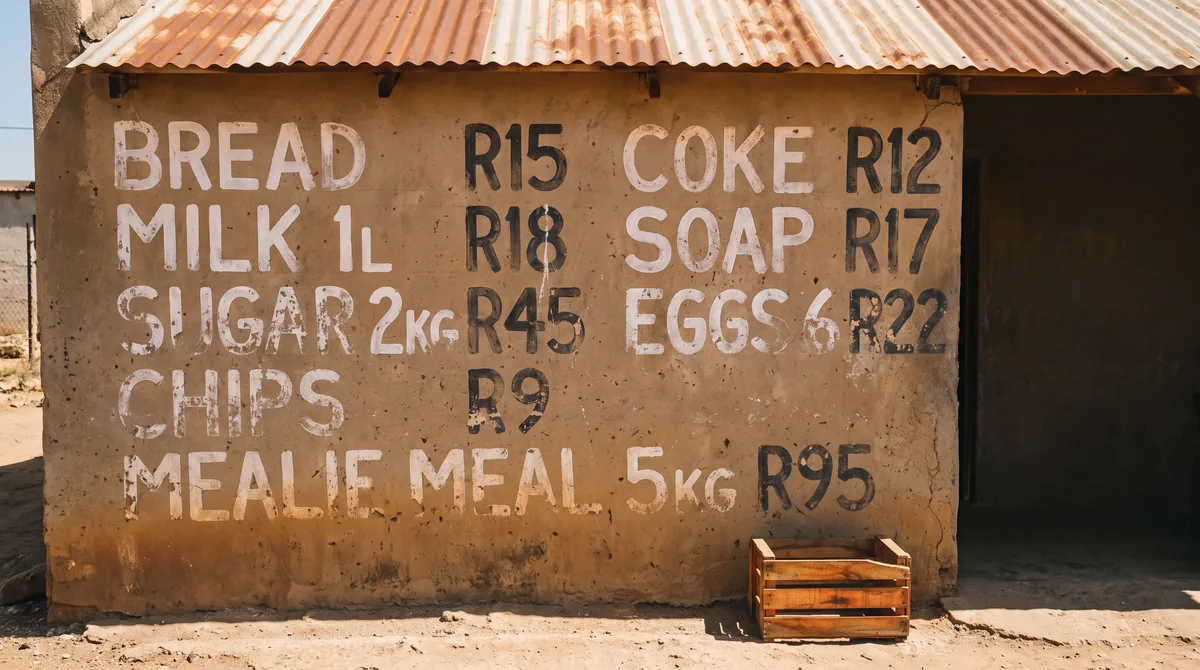
It is a reasonable fear and it has been handed down through enough sales training to feel like a law. It also costs the business hiding the prices far more than it costs anybody else.
The four fears, named
Competitors will see what we charge. Customers will see the number before they understand what they are getting, and go elsewhere. Every job is different, so any number we publish will be wrong. And prices change, so the page will be out of date by March.
All four are real. None of them is a reason to publish nothing.
Your competitors already know
A competitor who wants your prices phones you and asks, or sends somebody else to ask, or books the job. It takes one call and costs them nothing. Meanwhile your actual buyer, who will not phone a stranger to find out whether they can afford a cleaning service, gives up and uses the business down the road that published a figure.
Price secrecy is a wall that your competition walks around and your customers walk away from.
Losing the wrong enquiry is a feature
The enquiry you lose to a published price was heading for a polite no anyway, and it was going to cost you something to get there. A trade knows the figure exactly: two hours and a tank of petrol to quote a job the person was never going to approve. A practice knows it as a consultation slot that could have gone to somebody who booked the treatment.
Filtering is not a side effect of publishing prices. It is most of the value.
When the work genuinely varies, publish the shape of it
Variable work does not mean unpriceable work. It means the number needs a frame around it, and there are four frames that do the job.
A from-price, where the lowest real figure is stated and what sits behind it is explained. A range with the reason for the range attached, so the buyer can place themselves inside it. A worked example of a typical job, priced line by line. Or a published rate, which is how an attorney, a bookkeeper and a consultant can all answer the question honestly: this is the hourly rate, this is what a first consultation costs, and this is the kind of work that usually falls outside it.
A guesthouse publishes by season and by room. A dentist publishes a list for routine items and ranges for the rest. An estate agent publishes the commission structure. None of these businesses has given away anything except the ability to be sorted into the right pile.
Put the reason next to the number
A bare figure invites one question, which is whether somebody else is cheaper. A figure with its contents attached invites a different one, which is whether it is worth it.
Write it the way you would say it at the counter. R1 450 a night for two people, breakfast included, parking behind the gate, check-in from two. The number has not changed. What a visitor can do with it has.
The conversation you were protecting gets better
The call you do get after publishing is a different call. Nobody is spending the first ten minutes circling the question of whether they can afford you, which is a conversation both sides find uncomfortable and neither side admits to having.
They have already decided the number is survivable. What they want now is to know whether you are the right business to give it to, which is the conversation you are good at and the one you wanted to have in the first place.
What to do the week your prices change
The fear that the page will be out of date is really a fear of the admin, and the admin is smaller than it looks if the prices live in one place not scattered across six pages and a downloadable rate card.
When the figures change, update the page first and the quotes second. Honour anything already quoted in writing at the old number, say so when you send it, and put the date the new prices took effect at the bottom of the page. A visitor who can see that the list was updated this month believes the rest of the page too.
The one honest exception
Some work really is bespoke enough that a number would mislead. A commercial fit-out, a complex legal matter, a development project. Publishing a figure there creates an expectation you will spend the first meeting dismantling.
Even then, publish the entry point. “We take on projects from about R80 000” does the filtering without pretending to a precision you do not have, and it is far more use to a buyer than a page that says every project is unique.
The takeaway
Pick the thing you sell most often and put a real number against it this week, with whatever frame it needs. Leave it up for a month and watch what happens to the quality of your enquiries not their quantity.
Amysa publishes its own build and care prices on its pricing page, and the assistant on the site quotes those figures instead of dodging the question. It is a straightforward thing to ask of any business, including ours.
KEEP READING
Related field notes
Tell us what still happens on the phone.
We will tell you what the site could take off your hands and what that costs. The conversation is free.